
Continuing
Education for
Behavioral Health
Professionals
Meet your CE requirements with expert-led courses. Get the hours you need while advancing your clinical skills.
Find Your CE Courses
Search Courses
Learn at Your Pace
On-demand access
Expert Led
Industry leaders
4,800+
Professionals
72
Instructors
234
Courses
Trending Courses
Most enrolled courses from the last 30 days
Mindfulness with Ethics in Mental Health Care

In this experiential workshop, you will learn a variety of simple self-care practices to use anytime, anyplace, from the grocery store to the forest! Yes! Mindfulness in nature is an evidence-based practice that is even more accessible to many people.
Therapeutic Boundaries: The Ethics of Creating Clarity, Safety, & Trust in Clinical Work

Meets the new Mandatory Professional Roles & Boundaries requirement for Washington State
WMHCA: Navigating Washington State's New Confidentiality Standards for, LMHCs, LMFT's & Social Workers: A 2025 Update

As of July 27 th 2025, the legal framework for confidentiality in behavioral health practice will undergo a significant shift in Washington State. Licensed Mental Health Counselors (LMHCs), Marriage and Family Therapists (LMFTs), and Social Workers will now be subject to the standards of RCW 70.02—Washington’s Uniform Health Care Information Act—through its incorporation into RCW 18.225.105.
Menopause: Mental Health and the Body

In this workshop, you will gain an in-depth knowledge of the 37 most common symptoms of perimenopause and menopause that affect us physically, mentally, emotionally, cognitively, and spiritually.
Living with Neurodivergent Overlaps

Hold your hat, folks, because this is going to be a jam-packed day of learning! Spend the morning in didactic and small group learning with B Lourenco where she’ll provide a comprehensive overview of physical, learning, and mental health overlaps that commonly occur with AuDHD profiles.
WHMCA: Helping Clients Heal from Toxic Relationships
This course will teach therapists how to help their clients recognize the signs of being in a toxic relationship, help them rebuild their strength to safely leave it, and how to rewire their neural pathways to heal from it.
Recently Added
New courses just added to our catalog
Ethics: Awareness & Application to Practice

This seminar is designed to examine ethical codes and their application in practice.
Sacred Moments for Growth & Healing
This training introduces psychotherapists to the thoughtful design and ethical integration of rituals into therapy, emphasizing practices that honor clients’ values, cultural backgrounds, and spiritual perspectives. Participants will explore how rituals can enhance engagement, reflection, and healing, while maintaining professional boundaries and clinical integrity.
WMHCA: Psychedelic Harm Reduction & Integration (PHRI) Psychotherapy: Best Practices & Current Trends
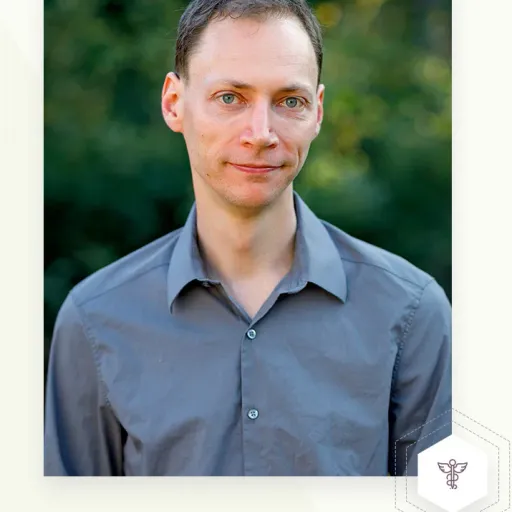
This 3-hour training equips Washington mental health professionals with evidence- based knowledge and practical skills for Psychedelic Harm Reduction and Integration (PHRI) psychotherapy.
Mindfulness with Ethics in Mental Health Care
In this experiential workshop, you will learn a variety of simple self-care practices to use anytime, anyplace, from the grocery store to the forest! Yes! Mindfulness in nature is an evidence-based practice that is even more accessible to many people.
Diagnosis and Treatment of Prolonged Grief Disorder

This workshop will present the new DSM diagnosis and its criteria, explore the pros and cons of such a diagnosis, and examine methods of assessing for PGD.
What is PDA? and how is it Impacting My Practice?
Pervasive Demand Avoidance (PDA) is commonly misunderstood, and this class will help clinicians identify this profile and how to support PDA in an affirming way.